Address
Caochang Industrial Area, Liguang Rd, Lishui, Nanhai, Foshan, Guangdong, China
Phone:
0086-20-8938 9313
0086-757-8938 9313
Email:
Work Hours
Monday to Friday: 8AM - 10PM
24x7 online service

Address
Caochang Industrial Area, Liguang Rd, Lishui, Nanhai, Foshan, Guangdong, China
Phone:
0086-20-8938 9313
0086-757-8938 9313
Email:
Work Hours
Monday to Friday: 8AM - 10PM
24x7 online service
Custom LED Light Box & SEG Display Manufacturer
 Byadminn
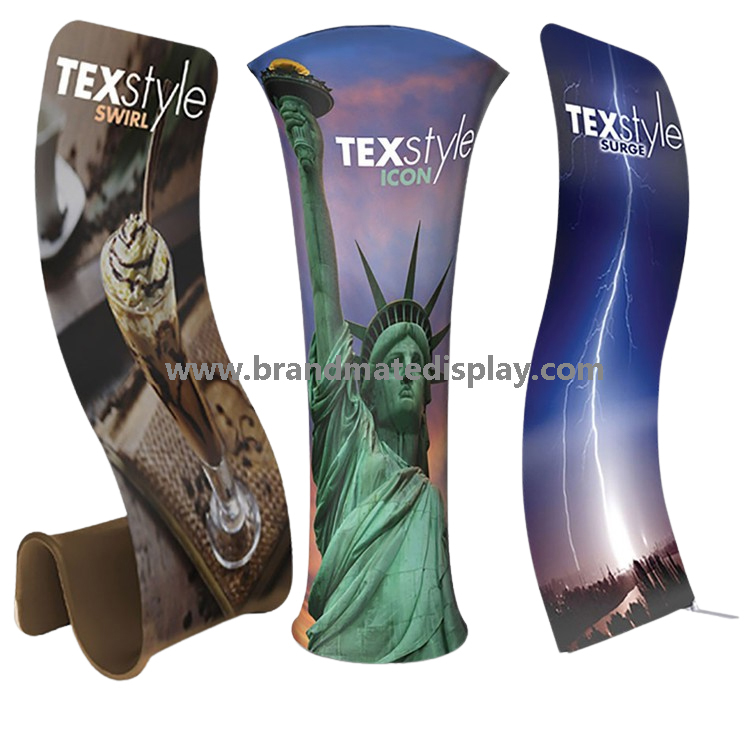
For an exhibition contractor or brand team, a trade show light box is not just a printed wall with LEDs. The commercial value depends on how reliably the system can be packed, transported, assembled, serviced and reused across events.
Send the booth footprint, wall lengths, maximum permitted height, entrances, counters, storage needs and electrical access. The frame system should be designed around the event layout rather than forcing a standard kit into the space.
Large display walls usually need sectional construction for transport. Buyers should confirm how frame sections connect, whether parts are numbered, which tools are required and how the wiring is routed. A clear installation drawing can save more time on site than a generic “tool-free” claim.
SEG graphics are useful for repeat events because the frame can remain in service while campaign graphics change. Confirm the graphic template, silicone edge specification, print revision and replacement lead time before the first event.
Trade show equipment is handled repeatedly by warehouses, carriers and event crews. Ask how profiles, connectors, power components and graphics are separated and protected. Confirm the number of cases/cartons, packed dimensions and gross weight when freight or on-site handling cost is sensitive.
| Buyer question | Why it matters |
|---|---|
| How many frame sections? | Controls setup sequence and packed length |
| Are components numbered? | Reduces assembly errors on repeat events |
| What tools are required? | Affects crew planning and setup time |
| How are power leads connected? | Affects electrical safety and serviceability |
| How many transport cases? | Affects freight and event drayage |
| Which spare parts are recommended? | Reduces downtime if a component is lost or damaged |
If the system will travel to multiple events, request spare connectors, power components and a replacement-graphic process appropriate to your risk level. Keep the assembly drawing and packing list with the booth assets so each event team receives the same reference.
Include booth size, event date, delivery destination, required display modules, graphic status, power standard, packing preference, quantity and any venue restrictions. For repeated events, also state the expected number of setups and whether spare parts should be included.
See our Trade Show Light Box Manufacturer page for product configurations and send your project brief for review.