Address
Caochang Industrial Area, Liguang Rd, Lishui, Nanhai, Foshan, Guangdong, China
Phone:
0086-20-8938 9313
0086-757-8938 9313
Email:
Work Hours
Monday to Friday: 8AM - 10PM
24x7 online service

Address
Caochang Industrial Area, Liguang Rd, Lishui, Nanhai, Foshan, Guangdong, China
Phone:
0086-20-8938 9313
0086-757-8938 9313
Email:
Work Hours
Monday to Friday: 8AM - 10PM
24x7 online service
Custom LED Light Box & SEG Display Manufacturer
LED walking billboards are wearable rechargeable light boxes that illuminate printed graphics during promotional campaigns. To source the right model, compare the actual product weight, graphic dimensions, carrying comfort, battery test conditions, charging and destination-specific shipping requirements—not generic ‘digital billboard’ claims.
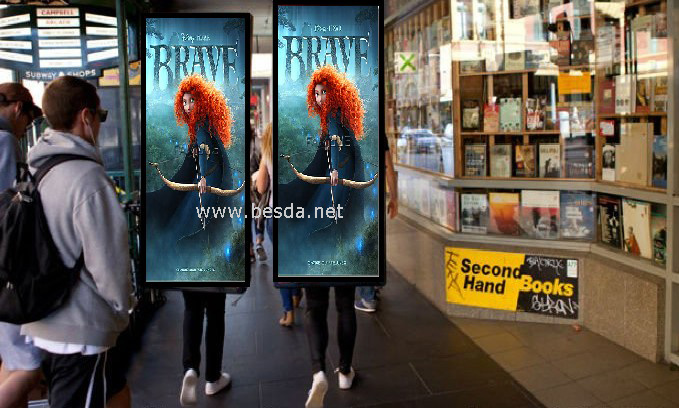
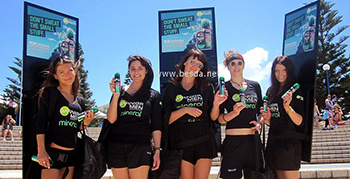
A promoter carries a framed illuminated printed poster on the back, and selected configurations may include a front graphic and a separate LED message panel. This category is not the same as an LCD/video backpack with digital content management.
Store openings, street campaigns where permitted, festivals, events, mall promotions and exhibition activations. Verify local rules for wearable advertising and evaluate wearer safety and traffic conditions.
| Issue | What needs evidence |
|---|---|
| Uncomfortable to carry | Net weight, straps, support and balance |
| Runtime disappoints | Battery capacity, LED load and tested runtime |
| Graphics difficult to replace | Front/rear print templates and opening method |
| Rain exposure | Actual exposure limits and electrical protection |
| Shipping restrictions | Battery chemistry/Wh and carrier documents |
| Reference | Evidence status |
|---|---|
| Graphic format | Earlier product information shows separate back and front poster areas. |
| Weight and battery | A legacy configuration lists about 7 kg and 8800 mAh; not a universal model standard. |
| Runtime | Earlier marketing says around 7–8 hours; a current timed test is required before quotation. |
| Message panel | Some legacy images show an optional top scrolling-text module; confirm current availability. |
A printed LED walking billboard uses LEDs to illuminate a physically changed graphic. A digital LCD backpack uses a screen and control software. Do not attribute video, social feeds, live streaming, Android CMS or cloud updates to this printed-graphic product.
Request actual finished print area for each side, visible/covered margins, print material and graphic-change method. Confirm whether a top programmable message bar is a separate option and how it affects the artwork and power plan.
Check net weight, strap width/padding, back support, center of gravity, fit for the actual promoter and recommended carry/rest schedule. Bigger battery capacity can increase weight and does not automatically improve campaign effectiveness.
mAh alone is not runtime. A valid runtime test identifies battery voltage/capacity, exact model, LED operating mode, optional modules, ambient conditions, start/end criteria and measured hours. Do not sell one unverified run-time number across multiple models.
Confirm charger specification, charge time, spare-battery availability, battery-swap method and planned daily campaign hours. Organizers may need a recharging schedule more than a heavier single battery.
Indoor, sheltered and exposed outdoor operation have different risks. Verify electrical enclosure, rain limitations, wearer visibility, public movement rules, corner protection and strap security. A protected connector alone does not prove a waterproof billboard.
Review frame/corner workmanship, graphic loading, shoulder straps and fastenings, lighting, battery/charger function, representative run-time test, optional message module, packing and accessory completeness. Record sample conditions for any quoted run-time claim.
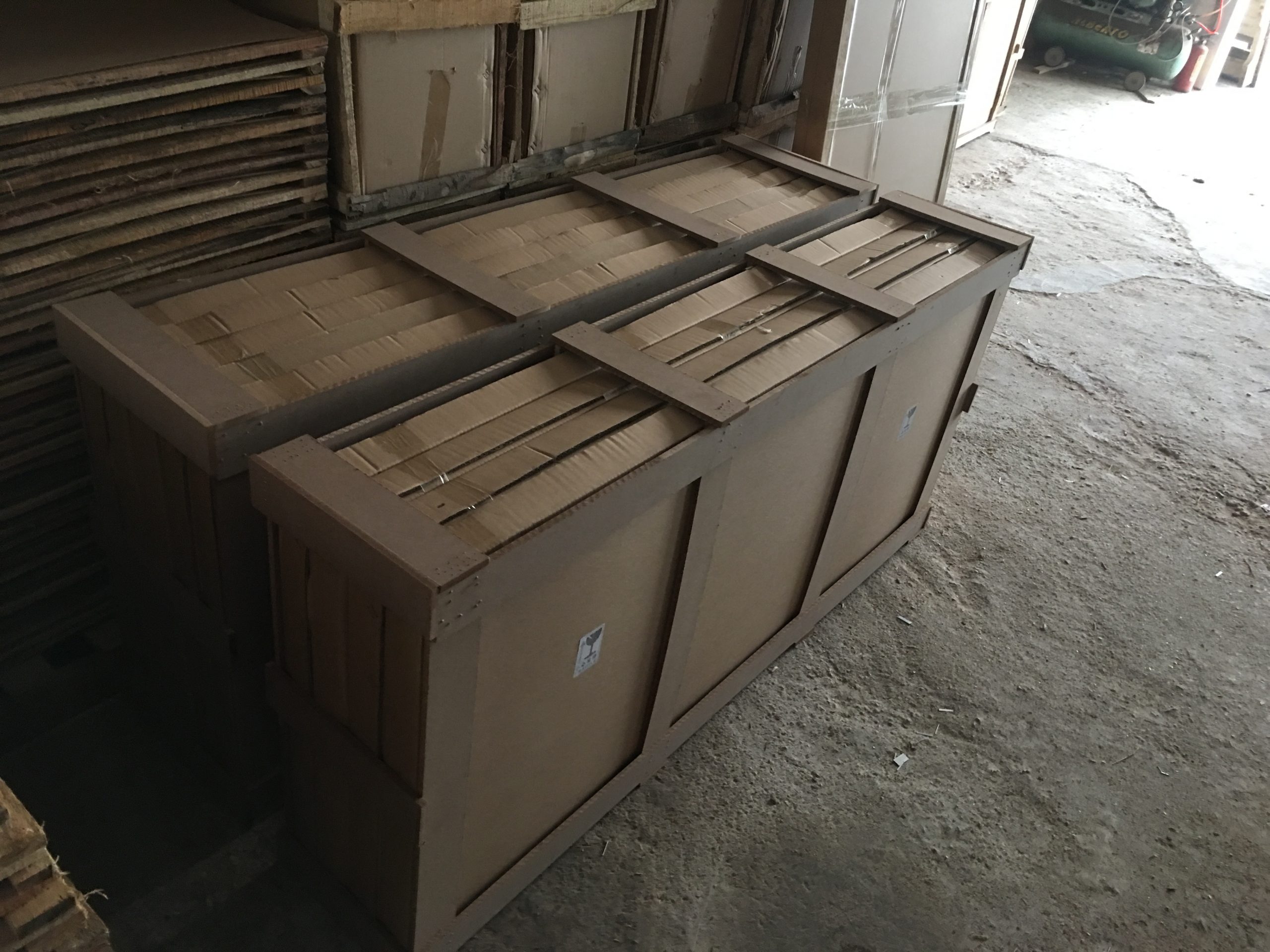
Protect the illuminated faces and frame corners. Record whether batteries are installed or separately packed, their chemistry/Wh and required carrier documentation. International air/courier shipments may have restrictions that should be reviewed before promising transit dates.
Use model-specific battery charging/storage guidance. Inspect straps, connectors, corners and graphic attachments before each use. Replace graphics using the approved template and keep the charger and shipment records with the unit.
| Item | What to send |
|---|---|
| Size | Overall frame, front/rear printed graphic size |
| Quantity/use | Units, daily campaign hours, indoor/outdoor |
| Battery | Expected operating time, charger/spares |
| Carrying | Weight/strap requirements, safety constraints |
| Logistics | Destination, battery docs, packing, event date |
Choose a printed LED light box for stable promotional visuals and simpler content changes. Choose an LCD backpack only when electronic video/rapid digital updates are actually needed. The products have different power, handling and budget requirements.
Real product and packing photos help buyers evaluate this category. We encourage a model-specific sample, documented battery test condition, graphic template and export packing checklist rather than blanket run-time or weather claims.
Not the printed-graphic model described here. LCD screen backpacks are a different product class.
Runtime depends on the exact model, capacity and lighting configuration; request a current tested value.
Do not assume waterproof use. Confirm exposure limits and electrical protection for the model.
Send quantity, overall and graphic sizes, expected daily use, runtime requirement, destination, carrying considerations, artwork and deadline. Include battery-shipping constraints if using air freight.
Related: LED Counter Display · Warehouse & Logistics · Quality Control · Factory Tour