Address
Caochang Industrial Area, Liguang Rd, Lishui, Nanhai, Foshan, Guangdong, China
Phone:
0086-20-8938 9313
0086-757-8938 9313
Email:
Work Hours
Monday to Friday: 8AM - 10PM
24x7 online service

Address
Caochang Industrial Area, Liguang Rd, Lishui, Nanhai, Foshan, Guangdong, China
Phone:
0086-20-8938 9313
0086-757-8938 9313
Email:
Work Hours
Monday to Friday: 8AM - 10PM
24x7 online service
Custom LED Light Box & SEG Display Manufacturer
BrandMateDisplay supplies modular trade show light box and exhibition display systems for repeat-use B2B events. The right system is not chosen by appearance alone. Booth size, assembly method, graphics, transport cases, power, venue rules, spare parts and event deadline all affect the final configuration.
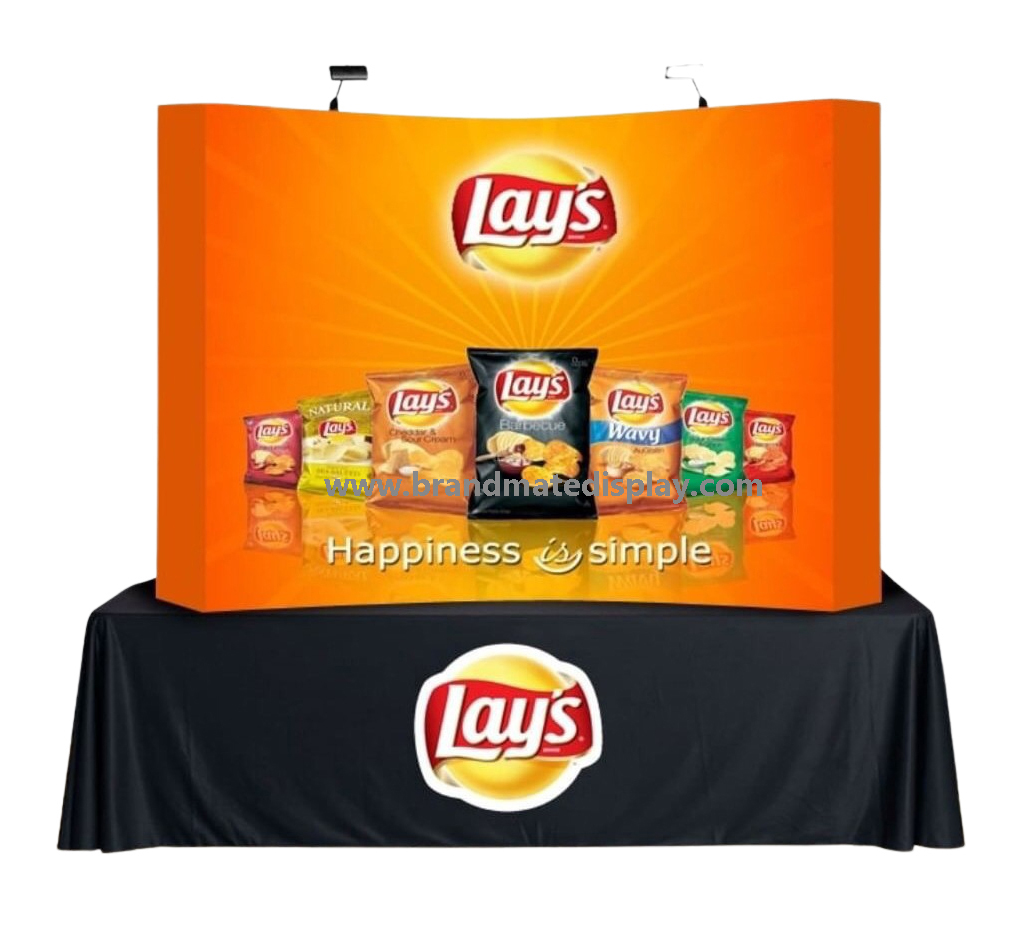
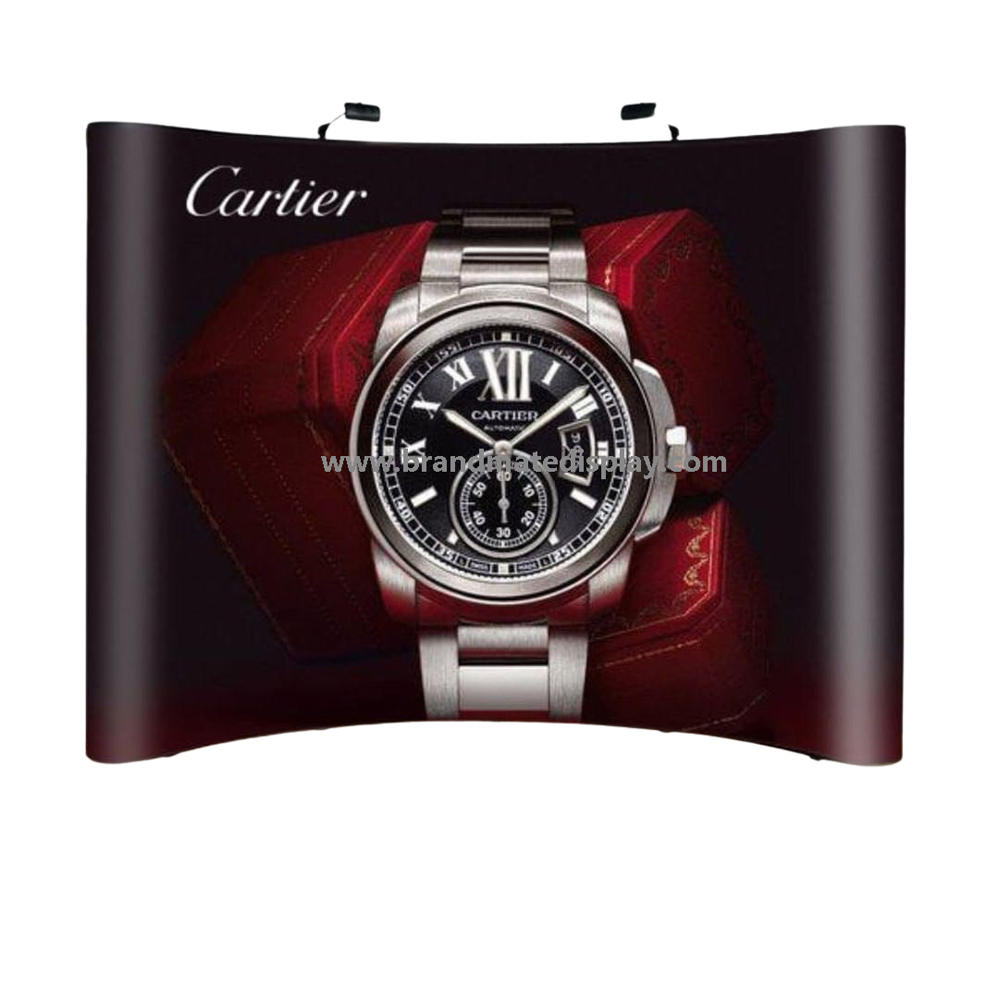
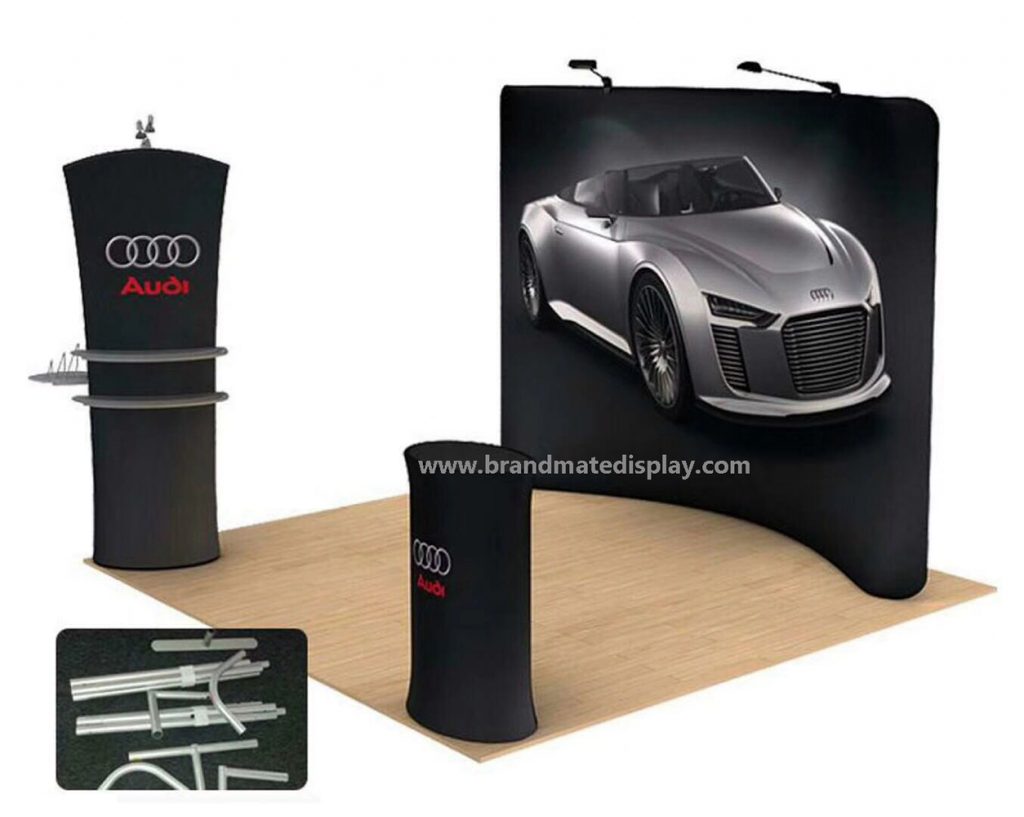
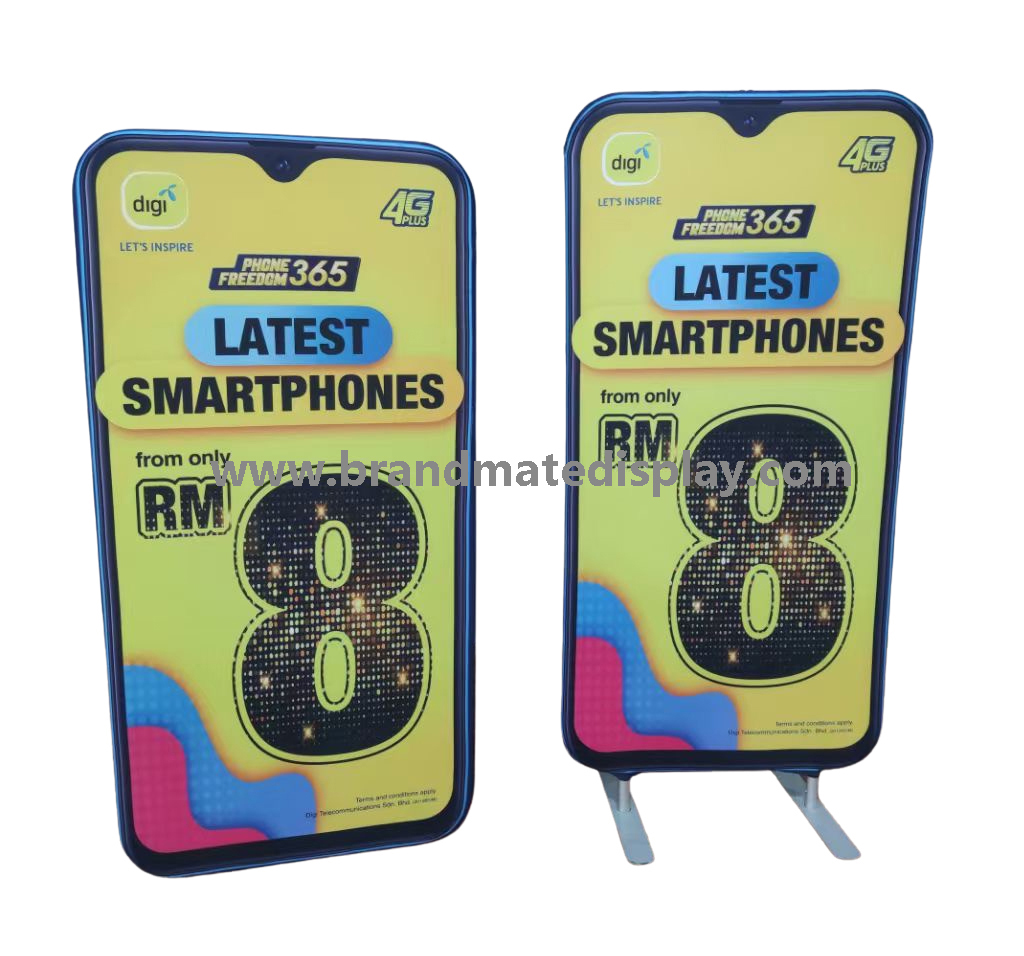
A trade show display is a transportable branded structure used to build booth walls, backdrops, illuminated graphic areas, counters or other exhibition elements. Systems may use SEG graphics, tension fabric, modular frames or a combination of components depending on booth design.
| Buyer concern | What the supplier should answer |
|---|---|
| Will it fit the booth? | Finished footprint, height, orientation and module dimensions |
| How long will setup take? | Frame sections, connectors, tool requirements and crew assumptions |
| Can we reuse it? | Frame durability, replacement graphics and spare parts |
| Can we ship it affordably? | Case/carton count, packed dimensions and gross weight |
| Will it work at the venue? | Power, fire/electrical requirements, maximum height and venue rules |
| What happens if a part is lost? | Spare connectors, power components and replacement-part process |
Before choosing a display model, send the booth footprint and intended layout. Useful inputs are wall lengths, maximum height, entrances, product-display zones, counters, storage requirements and electrical access. The hardware should follow the booth plan rather than forcing the booth around a standard kit.
Large display walls are normally divided into transportable sections. Ask how frame sections connect, whether components are numbered and which parts require tools. For repeat-use programs, simple part identification can reduce installation mistakes at later events.
“Easy setup” is not a specification. Some systems can use snap/click or tool-free frame connections, while other booths or bases may still require screws or site labor. The quotation should state what is actually assembled, what tools are needed and which steps may require more than one person.
Fabric graphics are useful for exhibition systems because they can pack compactly and can be replaced for new campaigns. Confirm the artwork template, finished graphic dimensions, edge/attachment system and print revision before the first event.
Illuminated walls add visibility but also change frame depth, electrical load, wiring, packing and setup. Decide which booth areas need lighting rather than assuming every wall should be illuminated. Non-lit tension-fabric or structural modules may be more practical for secondary areas.
A trade show system may travel more often than a permanent retail display. Profiles, connectors, graphics, power components and accessories should be separated and protected. Hard cases or compact cartons can be considered according to reuse frequency and freight method.
For air freight, courier shipments, drayage and warehouse handling, packed dimensions can matter as much as product dimensions. Request the number of cases/cartons, each packed size and gross weight before finalizing logistics.
Trade show venues can restrict booth height, hanging signs, fire performance, electrical work or on-site labor. Buyers should check the exhibitor manual before approving the final booth. If the project has specific material or electrical documentation requirements, include them in the RFQ.
| Booth size | Example: 3×3 m / 10×10 ft / 6×3 m / custom |
|---|---|
| Event date | Include required delivery date, not only event opening date |
| Modules | Backwall, light box, counter, sidewall, storage, hanging element, etc. |
| Graphics | Artwork ready / template needed / replacement set required |
| Power | Country, voltage, plug and venue restrictions |
| Packing | Carton / reusable hard case / freight preference |
| Repeat use | One event or multi-event program |
| Destination | Warehouse, advance warehouse or venue |
For custom modular systems, installation information should include the sequence of frame sections, graphic fitting, electrical connections and any base/counter components. Buyers should also identify whether venue labor is mandatory before assuming their own team can install the booth.
The commercial value is in making the system repeatable: one agreed booth layout, defined components, replaceable graphics, clear packing and a usable installation reference. We prefer to clarify these project details before production rather than relying on generic “portable” or “easy setup” claims.
Yes, where the frame remains suitable and undamaged. Graphics can be replaced for new campaigns, and spare parts can be planned for repeat-event programs.
That depends on the selected system and base/accessories. The quotation should state which connections are tool-free and which steps require tools or venue labor.
Yes, subject to the display system and project review. Send the booth dimensions and desired layout.
Booth size, event date, delivery destination, modules required, graphic status, quantity, electrical standard and packing preference.
Send your booth size / event date / module list / artwork / destination / voltage / packing preference / repeat-use plan. We can then review the system before quotation.
Related: LED SEG Light Box · Factory Tour · Quality Control · LED Light Box Technical Specifications