Address
Caochang Industrial Area, Liguang Rd, Lishui, Nanhai, Foshan, Guangdong, China
Phone:
0086-20-8938 9313
0086-757-8938 9313
Email:
Work Hours
Monday to Friday: 8AM - 10PM
24x7 online service

Address
Caochang Industrial Area, Liguang Rd, Lishui, Nanhai, Foshan, Guangdong, China
Phone:
0086-20-8938 9313
0086-757-8938 9313
Email:
Work Hours
Monday to Friday: 8AM - 10PM
24x7 online service
Custom LED Light Box & SEG Display Manufacturer
 Byadminn
Outdoor LED signage is sold with one word that carries too much weight: weatherproof. It appears on quotations without a definition, and it means different things on a mall canopy, a coastal forecourt and a rainy high street. This guide turns the word into specifications a buyer can check: IP rating, sealing detail, drainage, cable entry, driver placement, mounting loads and service access.
A weatherproof claim should resolve to three things: an IP rating for the enclosure, a stated mounting condition and a service plan. The IP rating has two digits. The first covers solids and dust, from 0 to 6. The second covers water, from 0 to 8. IP54 resists dust and splashing water. IP65 resists dust and low-pressure jets. IP66 resists powerful jets. None of them describes condensation, salt or UV.
The mounting condition matters as much as the number. A sign under a deep canopy sees far less water than the same sign on an exposed wall. A sign that faces the prevailing wind takes driven rain at the seals. State the exposure in the brief, not just the product code.
Water ingress. The first failure is usually a seal or a cable gland, not the LED. Water reaches the driver, the driver fails, and the face goes dark in sections.
Condensation. A sealed box that heats by day and cools at night pulls moisture inside. Without a breathable vent or a desiccant plan, droplets form on the inside of the face.
UV and colour shift. Printed graphics fade and white plastics yellow. The rate depends on the ink, the media and the exposure, and it is the visible sign that the specification was optimistic.
Wind load. A projecting sign is a sail. The bracket, the wall substrate and the fixings carry the load, and no IP rating protects a bracket that was sized for the wrong exposure.
Most warranty disputes about outdoor signs end at one question: was the unit specified for this exposure? A supplier can only honour a claim when the brief recorded the site conditions. Write the exposure, the mounting height and the cleaning routine into the purchase order, and the claim has a basis on both sides.
| Climate | Main risk | What to specify |
| Coastal | Salt corrosion and wind-driven rain | Corrosion-resistant fixings, IP65, sealed glands |
| Monsoon or tropical | Heavy rain and high humidity | IP66 where exposed, drainage, desiccant plan |
| Desert | Dust and high ambient temperature | Dust sealing, driver derating, heat management |
| Cold and freeze-thaw | Condensation and brittle seals | Low-temperature gasket, vent, warm-up check |
| Urban high street | Vibration and pollution | Vibration-proof fixings, cleanable face |
| Term | What it should mean | What to ask for |
| Rainproof | Protected from normal rain at the mounting | IP54 or better plus a canopy condition |
| Weatherproof | Resists rain, dust and normal temperature swings | IP65, sealed glands, UV-stable materials |
| Waterproof | Survives immersion or direct jets | IP66 to IP68, rare for signage and often unnecessary |
Some sites should not carry a projecting sign, and a supplier who says so early is worth keeping.
| Situation | Why it fails | Alternative |
| Listed facade with no fixings allowed | Approval and structural limits | Freestanding or window-mounted unit |
| No access for service | A failed driver means scaffolding | Wall-mounted at reachable height or front-access unit |
| Extreme wind exposure | Bracket and wall load exceed the design | Engineered mounting or a smaller sign |
| Direct sun on a dark face | Heat build-up shortens driver life | Ventilation, derating or a shaded position |
1. Classify the exposure. Sheltered, normal, exposed or coastal. Write it down; the classification drives the rest.
2. Require a model-specific IP rating. Ask for the rating of the complete assembly, including the driver compartment, not only the power supply.
3. Review every water path. Face seal, gland, fixings, drainage. Ask for the detail drawings, not a promise.
4. Plan condensation control. A breathable vent, a desiccant sachet or a sealed dry assembly, chosen for the climate.
5. Confirm the mounting loads. Bracket geometry, wall substrate, anchor type and wind exposure. For large signs, a structural review is not optional.
6. Locate the driver for service. Above ground, reachable, with a labelled isolation point.
7. Agree the test plan. A water spray test on the production sample, a lit soak test, and a written report before packing.
IP65 is the common baseline for a sheltered outdoor position. Exposed and coastal sites usually justify IP66 plus corrosion-resistant fixings. The rating must cover the complete assembly, including the driver compartment.
Condensation, not ingress. A sealed box that heats and cools pulls moisture in through the smallest path or releases it from the materials. A breathable vent or a desiccant plan solves it; more sealant usually does not.
Only when the driver is rated for the combined load and the faces are balanced. Two separate drivers are easier to service and limit the dark area if one fails.
State the site exposure and the mounting height, then ask for the bracket and fixing design in writing. For large projecting signs, a structural review by a qualified engineer is the normal route.
A spray test on the assembled unit, a powered soak test of at least several hours, a check of every seal and gland, and photos of the driver compartment before the cover goes on.
The LEDs often outlast the enclosure. Expect the driver and the seals to set the service life, which is why reachable drivers and replaceable gaskets belong in the specification.
An outdoor sign is a maintained asset, and the maintenance plan belongs in the purchase, not in a reaction to the first failure. Four items cover most of it: reachable drivers, a spare gasket set, a cleaning schedule and a seasonal inspection.
Cleaning twice a year with a pH-neutral detergent and a soft cloth removes the film that makes a face look dim. Abrasive pads and solvent cleaners cloud the panel and shorten its life. On a coastal site, rinse the fixings at the same time and check for white corrosion around the screws.
The seasonal inspection is short: look for water marks inside the face, check that every gland is tight, confirm the isolation point is labelled and test the driver compartment temperature on a warm day. A failing driver usually shows as flicker or a dim band before it stops, and that is the cheapest moment to replace it.
Weatherproof is a specification, not an adjective. Fix the exposure, the IP rating of the complete assembly, the water paths, the condensation plan, the mounting loads and the service access before the quote is compared. A sign that survives five winters is the one that was specified for them.
We will reply within 2 hours.
Send the booth plan or the site photo to the contact page and we will reply with a drawing and a written specification.
LED Signage Warranty Terms: Agree the Service Scope · LED Light Box Power Planning for Retail Stores · LED Light Box Freight Quotes: Packed Size and Weight · Rotating LED Signage Sound: Agree Acceptance
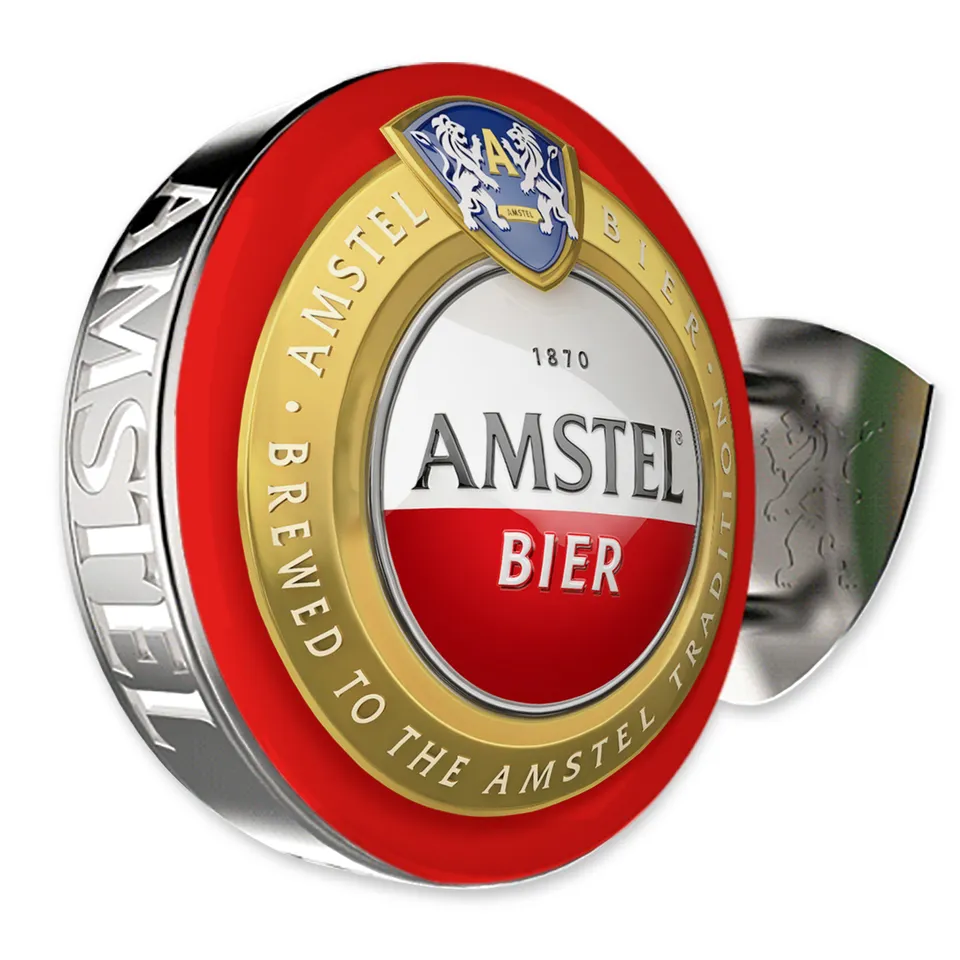
Product page: outdoor double-sided LED signage manufacturer.