Address
Caochang Industrial Area, Liguang Rd, Lishui, Nanhai, Foshan, Guangdong, China
Phone:
0086-20-8938 9313
0086-757-8938 9313
Email:
Work Hours
Monday to Friday: 8AM - 10PM
24x7 online service

Address
Caochang Industrial Area, Liguang Rd, Lishui, Nanhai, Foshan, Guangdong, China
Phone:
0086-20-8938 9313
0086-757-8938 9313
Email:
Work Hours
Monday to Friday: 8AM - 10PM
24x7 online service
Custom LED Light Box & SEG Display Manufacturer
Agree a rotating sign’s sound acceptance for a named room, observation point and documented operating condition. Review the complete installed display, keep its background conditions identifiable, and record whether the evidence supports acceptance, a change or further observation. This gives retail procurement and property teams a location-specific decision before extending an order.
The question is whether the offered configuration suits the intended activity at that position. Hearing a sound does not identify a motor fault. Equally, acceptance beside a busy aisle does not establish suitability at a quiet service counter.
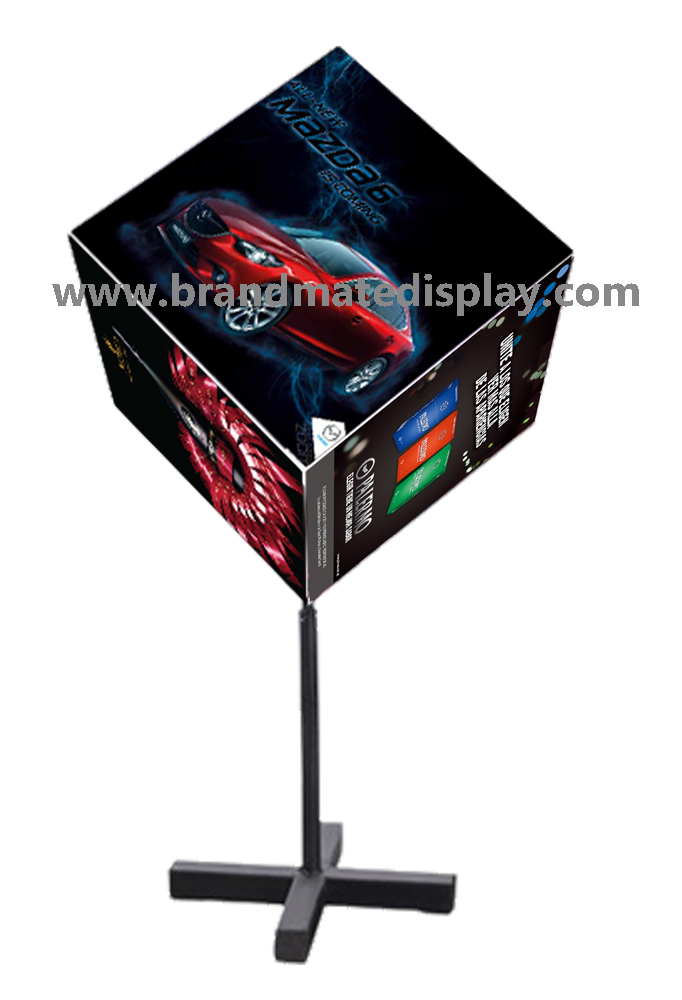
Identify the people and activity at each relevant position: a customer approaching the sign, an employee serving at a counter or someone waiting nearby. Mark those points on the room plan, including whether the observer is normally seated or standing. Ask the site operator which activities and operating periods the review must represent.
Agree how the decision will be made before the observation. A project may use a named operator’s assessment, an accepted reference or a specified professional measurement. Record the requirement and authorized decision owner. Avoid changing the criterion after seeing a result.
Keep positions separate when their conditions differ. A decision for the aisle should identify that point and scope, while the counter remains its own item. This makes any later configuration or placement discussion more precise.
Identify the sample, drawing, fitted graphics, support and installed position. Ask which normal operating state is available and documented for that offered model. Record the state actually observed; adjustable speed, selectable direction and separate lighting controls remain questions unless confirmed.
Use the custom-sign drawing approval guide to reconcile the configuration references. The sound record then connects that accepted assembly with its room and observation points.
| Record field | Information to retain | Decision it supports |
|---|---|---|
| Room and observation point | Site/room identifier, marked position, observer’s activity and relevant operating period. | The intended use and acceptance scope are identifiable. |
| Installed configuration | Sample/model, drawing and graphic references, support arrangement and position. | The observation belongs to the complete assembly being considered. |
| Confirmed operating state | Documented normal mode, actual setting where supplied, and observation interval. | The team knows which operation the record covers. |
| Paired conditions | Background context, recording times, other activity and any difference between reference and running observations. | The comparison can be interpreted, or its limitation is explicit. |
| Evidence and criterion | Listening notes, reference recording or required measurement report; agreed criterion and file references. | The evidence is used only for the question it can answer. |
| Outcome and owner | Accepted scope, change required or insufficient evidence; decision-maker, date and next action. | A local result does not become an unrestricted approval. |
Agree with the site operator how a relevant background reference can be obtained through permitted operating arrangements. The responsible personnel must follow the product and site procedures. Record what was operating, occupancy and relevant room activity for both the reference and the running observation.
If music, occupancy or another sound source changes between them, identify that difference. The observations may still describe those moments, but they do not isolate the display’s contribution. Mark an inadequate comparison as insufficient evidence, rather than converting it into an equipment failure.
Direct observation: retain the named observer’s notes from the marked point, the activity being assessed and the decision. “Audible” and “accepted for this activity” answer different questions.
Reference recording: retain the original file, position and available device/settings information. It helps the teams discuss the same observation. Recording and playback conditions must remain identifiable; do not present that file as a calibrated sound-level report.
Professional measurement: where the project requires a numerical criterion, have a suitably qualified reviewer define the method, instrument, calibration information, background treatment and acceptance conditions before measurement. Retain the applicable report. This guide supplies no universal threshold or acoustic test protocol.
This is a fictional planning example, not a BrandMate test or customer result. A retailer considers one installed configuration. The operator names an aisle observation point and a quiet counter working position, with separate acceptance decisions. The sample identity and confirmed normal operating state remain the same throughout the review.
| Review item | Available evidence | Decision | Next action |
|---|---|---|---|
| Aisle point | Documented running observation and relevant background context; agreed observer accepts the sound for the aisle activity. | Accepted for this point, configuration and recorded conditions. | Retain the references and the named decision. |
| Initial counter comparison | The running recording and background reference were made under different music and occupancy conditions. | Insufficient evidence for the intended comparison. | Arrange comparable observations; do not record a motor failure. |
| Counter repeat review | Conditions are documented and comparable; the operator finds the observed sound unsuitable for the agreed counter activity. | Not accepted at the counter point. | Review placement or an available configuration alternative, then repeat affected checks. |
| Another room or mounting proposal | No corresponding observation record exists. | Outside the accepted scope. | Obtain the relevant configuration and position evidence before extending approval. |
The aisle acceptance stands within its recorded scope. The counter outcome calls for an application decision; it does not establish which component causes the sound or whether a mechanical defect exists. If the team changes placement or configuration, it returns the affected points for review rather than copying the earlier result.
Connect each accepted position to its configuration, evidence references, conditions and decision owner. List positions still awaiting evidence or a revised proposal separately. The purchasing authorization should identify the scope actually agreed, including any unresolved placement requirement.
A change of support, location, fitted assembly or operating state can alter what the retained record represents. Ask the responsible reviewers which observations must repeat. Keep the previous accepted record available so the team can identify exactly what changed.
Use the quality-control discussion to agree the evidence requested for the project. A factory sample observation and a site’s acceptance serve different scopes; record each decision and its limits.
Share the proposed sign size and configuration, quantity, destination, installation type and target date. Add the room use, important observer positions, intended operating pattern and the acceptance evidence your project requires. Ask which offered model information and sample arrangements are available.
Review the rotating-signage product format, then email [email protected]. Configuration, proof scope and commercial terms need project-specific confirmation; detailed room records can follow the first inquiry.