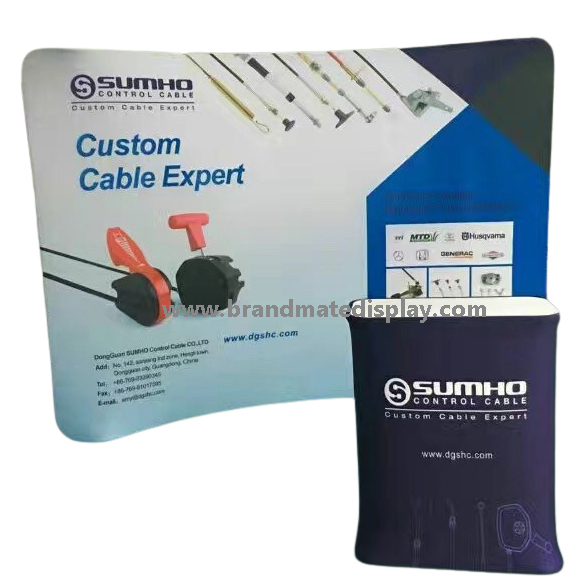
A backdrop can look flawless in a supplier's product photo and still disappoint at an interview or award ceremony. Hot spots, wrinkles, seams and poorly positioned logos become more obvious through a camera than to a pas

Track a late SEG campaign change through affected allocations, replacement approval, old-print disposition and quantity checks separating receipts from current balances.
Choose backlit textile by light transmission and print diffusion, and blockout textile by opacity and unwanted show-through; the two are not interchangeable simply because both are fabric.
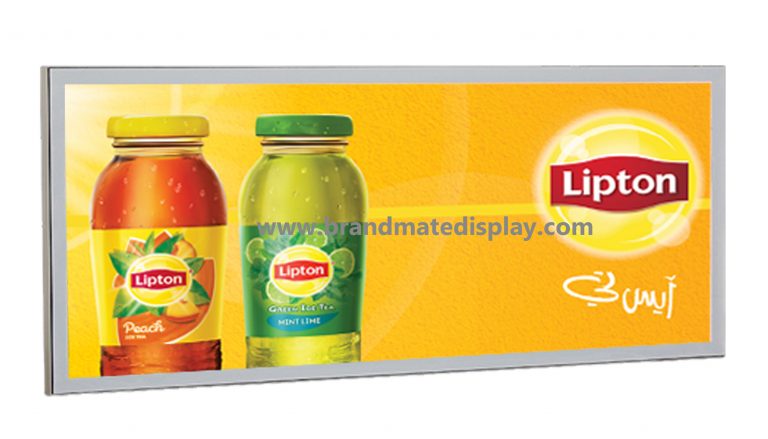
Match a proposed replacement face to the existing magnetic light-box cabinet revision, retention layout and visible opening before ordering covers for multiple stores.
Choose the light-box optical package by how the finished merchandise print looks in store lighting; CCT and CRI labels alone do not prove acceptable color appearance.
Approve physical print color on each intended material under agreed lighting. Record the target, proof, corrections and references for repeat orders.
Approve sponsor visibility in real event photographs instead of maximizing the number of small logos on the artboard.
Approve measured assembled width, depth and visible print area rather than ordering by the nominal backdrop width; verify the floor-plan fit before committing the artwork.
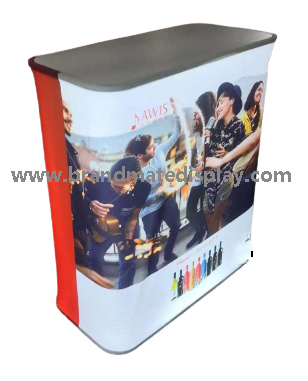
Choose a trade show counter by its working area, load conditions, graphic fit and complete packed kit. Use practical sample checks to prevent reprints and setup problems.