Address
Caochang Industrial Area, Liguang Rd, Lishui, Nanhai, Foshan, Guangdong, China
Phone:
0086-20-8938 9313
0086-757-8938 9313
Email:
Work Hours
Monday to Friday: 8AM - 10PM
24x7 online service

Address
Caochang Industrial Area, Liguang Rd, Lishui, Nanhai, Foshan, Guangdong, China
Phone:
0086-20-8938 9313
0086-757-8938 9313
Email:
Work Hours
Monday to Friday: 8AM - 10PM
24x7 online service
Custom LED Light Box & SEG Display Manufacturer
Use CCT and CRI to compare identified lighting options, then choose the light-box and print combination that presents your campaign acceptably in the store. Keep the actual illuminated graphic, viewing conditions and component revisions with the approval.
This guide helps retail fixture buyers and merchandising teams make a color-appearance choice between offered light-box configurations. It concerns static printed graphics illuminated by a light box. Digital screens, general room-lighting design and an exact printed-color matching service have separate requirements.

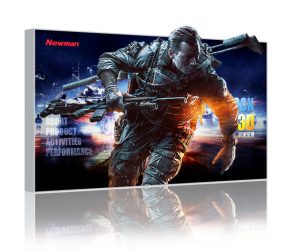
The photograph shows an illuminated printed display from the BrandMate LED SEG Light Box family. It illustrates the application; it supplies no measured CCT, CRI or color-acceptance result for the pictured unit.
Correlated color temperature, or CCT, summarizes the apparent white of a light source on a kelvin scale. Color rendering index, or CRI, evaluates a source’s rendering of specified test colors against a reference. Neither describes the complete appearance of a finished, backlit print. Keep source data and campaign approval as separate records.
| Question | Useful evidence | What still needs approval |
|---|---|---|
| What white appearance is offered? | CCT, stated in kelvin, for the identified light-source configuration and test condition. | The fitted graphic in the intended store setting; CCT does not describe its brightness or every tint/color difference. |
| What color-rendering information describes the source? | The stated CRI metric and traceable method/report for that source; additional rendition information if relevant and available. | The actual printed campaign; a source score is not an acceptance result for transmitted light through ink and fabric. |
| Which assembled option presents the campaign suitably? | Like-for-like illuminated samples with the intended print, recorded source/driver/optical revisions and agreed store conditions. | Named buyer acceptance of critical printed colors and detail, plus any separately specified measurements. |
A higher kelvin number is not a brightness rating. A higher CRI score is not proof that every saturated printed color will look as intended. If a quotation gives only “cool white” or “high CRI,” ask which measured source and method it describes. Do not select an arbitrary metric threshold as a substitute for the store’s actual visual requirement.
Write that requirement in observable terms: which campaign colors and details matter, from which viewing positions, and under which store lighting. An artwork owner can identify a product pack’s critical color, a neutral background or a shadow detail that must remain distinguishable. Those priorities make the sample comparison useful without pretending that an LED label certifies the print.
Ask BrandMate to identify the lighting options available for the exact frame size and configuration being quoted. Request the light-engine and driver references, relevant control setting and any available CCT/CRI test information. Confirm whether the report describes a bare source, a module or the assembled unit, and note what optical layers or graphic were present if the result includes them.
Read the report identity, tested product reference, method and operating conditions before using its values to compare options. A data sheet for a different source cannot establish the quoted assembly’s result. If the supplied sample differs from the proposed production parts, request a written comparison and the evidence needed to evaluate the intended version. Leave an unsupported numerical claim unaccepted until its scope is resolved.
CRI is one summary of color rendering and has limits. If the project’s specialist needs additional rendition information for critical colors, have that specialist specify the data and method required, then ask what evidence is available for the offered source. This article does not establish a BrandMate score, a universal minimum or an additional test included with every order.
Keep electrical input and control compatibility in the configuration record as well. An option selected for appearance still needs the correct power arrangement and site review. Qualified personnel should handle electrical installation, adjustments requiring access to electrical parts and any proposed component change.
Use the intended artwork revision and the specified production substrate/finish on both candidate configurations where a like-for-like trial is available. Keep size, fitting and relevant optical parts identified. Changing the light source and print material together can show two complete options, but it does not isolate the reason for an appearance difference; label that comparison honestly.
Agree the supply/control setting, operating state and point after switch-on at which the comparison will be made. Follow the model’s instructions and record the actual condition; there is no universal warm-up time in this guide. If the options have different brightness or control levels, document the comparison basis rather than allowing one brighter sample to decide a color question automatically. Ask the responsible reviewer which settings give a useful comparison for the project.
Place the samples in a stable, supported arrangement for the intended viewing task. Compare the same chosen regions of the print, with the reference and candidate identified. Do not infer a source’s color-rendering score from a photograph of colorful artwork. The printed layers and viewing context belong to the finished-display decision, while a numerical source claim needs its stated measurement evidence.
Where only one physical sample can be reviewed at a time, retain its exact setup and the approved reference, then agree a repeatable review sequence. A screen capture of the earlier sample is supporting context, not an exact physical-color master. Ask whether a side-by-side or retained-reference trial is available when the decision depends on a subtle difference.
Mark the critical regions in the artwork before inspecting the sample: the principal product/brand colors, any neutral area used as a reference, skin tones if present, and dark or pale details needed to read the image. Use the buyer’s actual campaign rather than assuming a bright generic demonstration covers these tasks.
Review from the planned customer approach and reading position. Record the sample, graphic revision, ambient-light scene and display setting. If the store requires both a daylight-facing and an evening scene, make a separate decision in each relevant condition. Describe the observed difference by location and appearance, such as a named neutral area looking warmer or a chosen shadow detail becoming indistinct. These are visual observations, not measured color values.
Use a retained illuminated reference where one has been approved for the campaign. A physical product package or unlit color sample can help communicate an intended color, but reflected and backlit presentations need an agreed comparison method; do not promise that they will look identical. Have the artwork/color owner decide the acceptable finished presentation with the intended material and lighting identified.
For supporting photographs, keep the camera position, exposure and white balance consistent and avoid clipped bright areas. Retain the actual viewed sample and decision. If filming or photography is a required retail task, specify the buyer-relevant camera and recording conditions and agree a functional trial of the offered unit. Record any visible banding for technical review; one clean video does not establish every camera setting or a universal flicker claim.
First confirm that the two samples use the intended artwork, print material, source and control setting. A wrong file revision or substituted textile calls for a reference correction before an LED comparison. Check the part and sample labels rather than adjusting the graphic to compensate for an unidentified configuration.
If a critical color differs while the compared setup remains consistent, record the location, condition and reference, then ask the print/lighting team to review the offered combination. Agree whether the next trial changes the source, print or another identified part. Keep the earlier sample and repeat the same required views after the correction. A change that resolves one critical color should also be checked against the other agreed colors and details.
If the objection is a localized dark edge or bright band, retain it as a separate illumination issue. The SEG brightness and uniformity inspection guide explains the diagnostic-reference and measurement-map questions. Do not use a higher CRI label to close a spatial defect, and do not treat an uneven colorful image as proof of an LED failure.
| Check | Record on both candidate options | Correction and recheck |
|---|---|---|
| Configuration and data | Light engine, driver/control setting, relevant optical parts, report identity and which configuration was measured. | Resolve a report/sample mismatch before comparing the metric values. |
| Print reference | Same artwork revision, agreed substrate/finish and equivalent fitting; note any unavoidable difference. | Restore the agreed reference or treat the changed print as a separate option and repeat the comparison. |
| Store context | Main viewing position, ambient-light scene, switching/operating condition and intended display setting. | Repeat an unrepresentative comparison in the required scene; keep separate decisions for different required conditions. |
| Critical merchandise colors | Locations of agreed key colors, the retained physical/illuminated reference and the buyer’s observations. | Refer the observed difference to the responsible print/lighting team, change an identified variable and repeat the same views. |
| Dark and pale detail | Readability of chosen shadow, neutral and pale areas in the actual artwork. | Review the relevant print/source combination; do not close a lost-detail issue merely because the source CRI label is higher. |
| Final selection | Accepted option, report scope, print and component revisions, decision maker/date and remaining exceptions. | Close corrections or hold the affected option; repeat relevant checks after a material, source, driver/control or optical change. |
Have the named artwork or merchandising owner approve the required campaign appearance. Let the technical reviewer establish the scope of any numerical measurement, and retain the actual report if one is required and performed. If the accepted option or evidence is still unresolved, keep that item on hold rather than converting a preferred look into an unsupported test result.
Retain the approved source and driver/control references, relevant optical parts, frame size/configuration, graphic substrate/finish, artwork and illuminated sample record. For several store variants, identify which evidence applies to each variant. A small demonstration can communicate a color direction, but it does not automatically establish the finished appearance of every size or optical layout.
At reorder or repair, ask whether any of those references has changed. A compatible electrical connector alone does not establish equivalent color appearance. Qualified personnel should review the proposed replacement for the actual assembly, and the buyer should repeat the affected appearance checks before accepting a substituted source, driver/control arrangement, optical part or graphic material.
Compare a replacement with the retained accepted reference under the recorded conditions. If an adjacent older unit is also being used as a reference, identify its operating history and condition rather than assuming it is unchanged. Record whether the task is to match the original accepted appearance or an existing installed group, then agree the decision with the buyer.
For shipment acceptance, separately agree which production units or variants will be checked and which records are required. An approved pilot defines the reference; it does not inspect the complete batch or guarantee a lifetime color match. Confirm sample scope, documentation, price, quantity and timing directly with BrandMate for the order.
Share the proposed light-box size and format, intended artwork/material, critical colors, preferred white appearance, store photographs or lighting description, viewing positions and any existing accepted reference. State whether camera use matters and whether a specialist has defined a numerical CCT/CRI or other measurement requirement. Add quantity and destination, then ask which configuration and sample evidence can be offered for that project.
No. Treat apparent white and brightness as separate requirements. Keep the actual setting and finished illuminated graphic identified when reviewing either one.
No. Confirm the value’s test scope, then review the actual print and offered light-box combination in the required store conditions. Record the visual decision separately from source measurements.
Review the change and repeat its affected checks. Keep the replacement configuration and accepted sample references connected rather than relying on a similar product name.
Explore the BrandMate LED SEG Light Box family and discuss the actual retail graphic and viewing conditions.
Tell BrandMate which campaign appearance you need to evaluate. Detailed artwork, lighting information and measurement requirements can follow the initial inquiry.