Address
Caochang Industrial Area, Liguang Rd, Lishui, Nanhai, Foshan, Guangdong, China
Phone:
0086-20-8938 9313
0086-757-8938 9313
Email:
Work Hours
Monday to Friday: 8AM - 10PM
24x7 online service

Address
Caochang Industrial Area, Liguang Rd, Lishui, Nanhai, Foshan, Guangdong, China
Phone:
0086-20-8938 9313
0086-757-8938 9313
Email:
Work Hours
Monday to Friday: 8AM - 10PM
24x7 online service
Custom LED Light Box & SEG Display Manufacturer
Effective LED signage starts with a clear message, a suitable viewing position and a manageable staff workflow. For a restaurant, shop or cinema, decide what visitors should notice and how staff will update the artwork. A small site pilot lets you confirm readability, graphic access and cable routing in the intended location before planning a wider rollout.
Quick answer: choose a printed light box for a fixed campaign, a rotating format when different approach directions matter, and a digital screen when the brief genuinely requires video or scheduled electronic content. Test the proposed unit in its intended position and approve what visitors can read and how staff will maintain it before a rollout.
| Format | Good reason to consider it | Check before selecting it |
|---|---|---|
| Static poster or SEG light box | A menu, campaign or brand image stays in place until its print is replaced. | Visible area, illuminated appearance, graphic access and replacement template. |
| Rotating or multi-face light box | Visitors approach from different directions, or several printed messages share one location. | Actual movement, viewing time, swept clearance, operating noise and maintenance access. |
| Digital signage screen | Video, animation or electronic scheduling is part of the brief. | Screen, player, software, connectivity and support. These functions are not supplied by an ordinary printed light box. |
The material and graphic system matter. A rigid-face rotating light box and a silicone-edge fabric light box are different constructions. Confirm the face or fabric, graphic attachment, frame, lighting and movement required for your installation. Keep the drawing and fitted sample for that complete configuration together.
| Buyer or location | Practical need | Problem to catch during the pilot |
|---|---|---|
| Restaurant operator | Communicate a menu or offer without slowing the queue. | Small prices, reflections, grease exposure, cleaning access or a graphic that turns away too quickly. |
| Retail marketing team | Keep campaign artwork consistent and make changeovers manageable. | Color differences between lit and unlit proofs, confusing file versions or inaccessible graphics. |
| Cinema or venue operator | Show messages where visitors actually wait or walk. | Glare in a dim lobby, blocked sightlines, operating noise or interference with circulation. |
| Shopfitter or signage distributor | Deliver an installable, serviceable assembly. | Missing drawings, unsuitable fixing assumptions, unidentified components or incomplete packing lists. |
A restaurant’s price board may need to remain continuously readable, while a separate promotion cube can present different campaign faces. During the pilot, check that visitors can finish each important message while its face is visible. Use shorter artwork or a static format where the message needs more reading time.
Keep one observer sheet for each trial: site, date, artwork version, viewing position, lighting condition, message readability, changeover steps, operating observations, photographs and decision owner. Record the failed requirement, correction and repeat-check result before approving that location.
| Item | What to specify or request | Why it affects procurement |
|---|---|---|
| Dimensions | Overall size, visible graphic area, base or bracket footprint and available site clearance. | A graphic size alone does not establish whether the assembly fits. |
| Structure and materials | Frame and face material, thickness, finish and the exact graphic-retention method. | Materials, cleaning and print replacement must match the quoted construction. |
| Movement | Required motion, intended operating hours and any stopping or direction-control requirement. | A rotating photograph does not establish motor or controller capability. |
| Lighting and power | Destination, input supply, plug or wiring arrangement, cable exit and required lighting approval. | Electrical configuration and illuminated artwork must suit the installation. |
| Mounting | Floor, wall or suspension arrangement; site substrate and installer responsibilities. | The drawing and fixing review must cover the actual support, not a generic bracket. |
| Environment | Indoor, sheltered or exposed location; cleaning method and any documented protection requirement. | Do not transfer an outdoor or IP claim from another model. |
| Graphics | Artwork, substrate, template, visible area, print approval method and replacement frequency. | Image quality is only one part of a workable campaign changeover. |
| Quantity and commercial scope | Pilot quantity, rollout quantity, spare graphics, spare components and items included in the price. | MOQ, tooling, sample charges and warranty terms need a written quotation, not an assumed website promise. |
| Packing and destination | Carton plan, component protection, destination access and whether kits ship to one or several sites. | Freight and installation depend on packed dimensions and delivery scope. |
| Approval and deadline | Drawing approval, sample approval, required dispatch date and installation date. | Separate production completion from carrier transit and installation readiness. |
Define the finished size, face material, lighting, power supply and any movement required for your site. For an SEG option, confirm the backlit fabric and silicone edge that fit the selected frame. Keep the frame, graphic, lighting, power supply and mounting together as one quoted configuration. Email BrandMate Display your size list and installation sketch to discuss the specifications for your project.
A useful approval sequence is requirement review, dimensioned drawing, graphic template, printed proof, assembled sample, issue correction and documented release. Ask the supplier to identify which sample and artwork revision the production order will follow. Where repeatability matters, retain the approved graphic reference and assembly specification for reorders.
At sample review, check visible joints, graphic fit, face access, lighting appearance, cable exit and completeness of supplied parts. For a rotating model, add clearance, noise, access to moving parts and restart behavior under an agreed supervised test. Set acceptance criteria before the check; a photograph or short video does not by itself establish compliance or endurance.
A wall or ceiling installation needs a site-specific fixing review by the responsible installer. Give that person the assembly weight, dimensions, mounting drawing and access requirements. Keep rotating parts clear of people and surrounding objects according to the approved design. Do not select anchors or suspension hardware from a promotional photo.
For routine care, follow the specified cleaner and method for the face material or fabric. Ask how a print, driver or motor is accessed, what power-isolation procedure applies and which work requires a technician. Request identifiable spare parts and a matching instruction document. A low purchase price offers little value if routine changes require dismantling the installation.
Work backward from the installation date, not from an advertised production time. Include drawing and artwork approval, sample corrections, production, pre-dispatch inspection, packing, carrier transit, destination clearance and site access. Put the agreed dates and their dependencies in the order record. If artwork changes after approval, ask for a revised plan rather than assuming the original schedule still applies.
For multi-site work, agree a kit identifier, carton contents and receiving checklist for each location. Review how faces, bases, brackets and cables are protected and labeled. Approve the packing sample or photographs before bulk dispatch, then use those references when checking the delivered kits.
Multiple graphic faces can consolidate campaign messages, replaceable prints can support later campaigns, and a documented assembly can make maintenance more predictable. Those advantages only become useful when the message is readable, the replacement system fits and the required service access is available. Compare the purchase, installation, graphic-change and maintenance scope together. Do not assume an energy-saving percentage, extra foot traffic or a sales uplift without a suitable measurement.
BrandMate’s catalog includes SEG light boxes, cube displays and rotating-signage formats. Share the site, finished size, artwork, quantity and installation date so the discussion starts with your actual requirements. Request a quotation covering the graphic system, mounting, electrical configuration and packing, together with the relevant drawings, sample and model-specific documents. An agreed configuration and approval record give both teams a clear reference for the order and later reorders.
Use the quality-control reference to prepare your sample checklist and the warehouse and logistics reference to discuss packing. Request records for your actual order rather than treating general process pages as proof that a specific shipment has passed inspection.
Not merely because it rotates or uses LED lighting. A printed light box moves or illuminates physical graphics. Video requires a separately specified screen, player and control system.
The product format alone does not establish a sales result. First verify readability and practical operation, then compare campaign periods with the same offer and comparable site conditions. Record other changes, such as price or promotion, so the display’s contribution is not confused with them.
Do not assume so. The enclosure, electrical arrangement, mounting and documented exposure limits must cover the intended location. Ask for evidence for the quoted configuration.
Send a site photo, proposed dimensions, quantity, installation type, destination, power requirements, artwork and target installation date. Add the rollout plan if the pilot will be repeated across several sites.
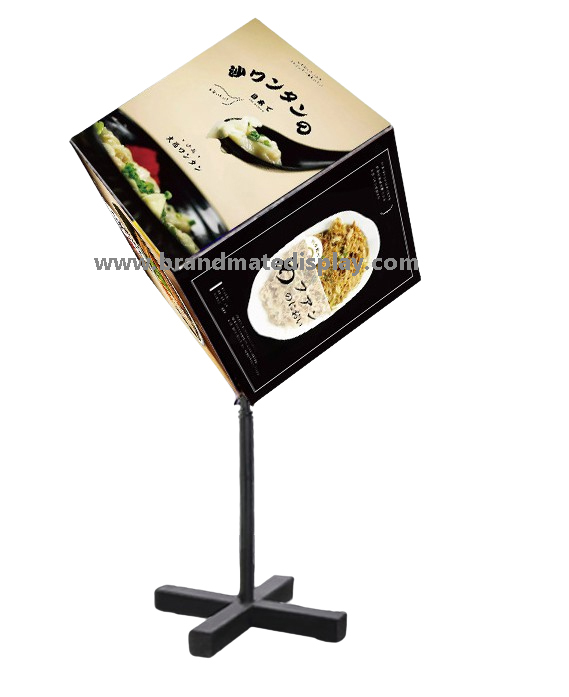
Review graphic faces, stand or mounting arrangement and the quoted construction. If motion is required, also review the rotating-signage specification questions.
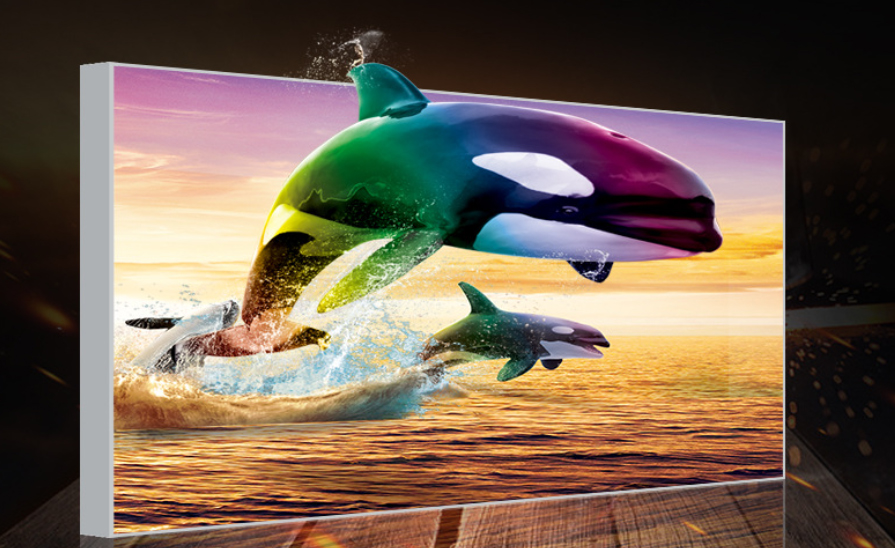
Compare frame depth, graphic fit, lighting appearance and changeover access for a fixed campaign image.
Share your site photo, size, pilot quantity and deadline. Ask for an itemized proposal and an approval plan so the comparison covers the installation and later graphic changes, not just the unit price.