Address
Caochang Industrial Area, Liguang Rd, Lishui, Nanhai, Foshan, Guangdong, China
Phone:
0086-20-8938 9313
0086-757-8938 9313
Email:
Work Hours
Monday to Friday: 8AM - 10PM
24x7 online service

Address
Caochang Industrial Area, Liguang Rd, Lishui, Nanhai, Foshan, Guangdong, China
Phone:
0086-20-8938 9313
0086-757-8938 9313
Email:
Work Hours
Monday to Friday: 8AM - 10PM
24x7 online service
Custom LED Light Box & SEG Display Manufacturer
Choose display fabric by its job in the finished assembly: transmit light through a printed image, hide a background, or form an approved rear backing. Confirm that role before comparing fabric names, weight or price.
This guide helps SEG graphic distributors, retail display buyers and exhibition print teams select a textile for a particular position. A backlit image face needs a suitable transmitted-light result; a blockout graphic is selected for the required opacity. An opaque rear liner has a different job again. Ask BrandMate to identify the proposed material, printable side and assembly position, then approve a labelled sample for that purpose.

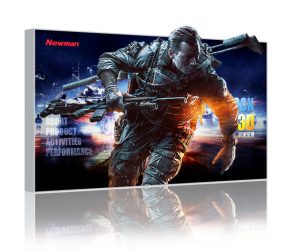
The photograph is a finished BrandMate LED SEG Light Box example. It shows the graphic presentation, not a measured transmission value or proof of a particular fabric coating. Confirm the actual material, print process and any backing layer for the quoted configuration.
Start with a simple section sketch of the display. Identify the viewer, printed surface, light source, rear background and any specified liner. Label each fabric position rather than describing the whole assembly as backlit or blockout. The useful question is whether light should pass through that particular layer to make the image, or whether that layer must prevent an unwanted view or light path.
For an illuminated front graphic, record the required appearance with the lighting on and any unlit condition that occurs in use. For a non-illuminated wall or backdrop, describe the rear environment: open space, a window, equipment or another image may create different show-through questions. Front lighting describes how a graphic is viewed; it does not establish that every frontlit textile is opaque.
A rear backing can have an approved role in a light box while an opaque material across the illuminated image face would address a different task. Ask for the intended stack and orientation on the actual assembly drawing. Do not add, remove or reverse a backing to improve appearance without the responsible technical review. Its function, printability and effect on the complete system need confirmation.
SEG describes the silicone-edge graphic fitting method, rather than an optical performance class. A fabric that fits a channel is not therefore approved to transmit or block light. Keep the material-role decision separate from the frame and finished-edge compatibility check.
Request an identified physical swatch and the applicable material information for each candidate. The reference should distinguish the textile, any coating or backing, the intended front and reverse, and its permitted printing and finishing process. A generic white swatch or a trade name without a traceable material reference leaves the purchase specification incomplete.
| Fabric role | Required result | Candidate evidence | Approval boundary |
|---|---|---|---|
| Illuminated printed image face | The intended artwork is usefully visible with light passing through the printed textile. | Identified backlit candidate, compatible print process and fitted illuminated production sample. | An unprinted swatch or a bright photograph alone does not approve the finished graphic. |
| Opaque printed wall or backdrop | The specified rear background does not show through beyond the agreed appearance. | Confirmed printable blockout candidate, correct print side and sample against the intended background. | Opacity, print suitability and mechanical fit need their own confirmation. |
| Rear backing or liner | The layer performs its specified function in the approved display construction. | Identified backing material, orientation, attachment and technical approval for the assembly. | A backing need not be printable and is not a substitute for an illuminated image face. |
Backlit materials are selected for transmitting light through a graphic; blockout materials are selected for limiting unwanted transmission or show-through. Those names describe the intended function, not a universal measured threshold or a complete specification. Ask which evidence applies to the particular material and whether it describes unprinted stock or the finished printed construction.
Record print compatibility explicitly. Do not assume every opaque textile is a printable graphic, that either side can be printed, or that one process suits all coatings. Have the print provider identify the actual material/process combination it proposes. If printability or orientation is unclear, resolve it before making a production proof rather than treating a clean-looking reverse as a print face.
Weight and thickness can help identify a supplied material, but neither should stand in for the required optical result. If the project needs numerical transmission or opacity evidence, agree the material state, measurement method, units and acceptance criteria with the responsible reviewer. This guide sets no BrandMate material values or universal pass limits.
Give every candidate a swatch ID and retain its material reference, face/reverse markings and intended role. Review the unprinted stock to understand what is being proposed, then request representative printed swatches using the intended process. Keep those two observations separate: a pale unprinted textile cannot establish the appearance of a dark campaign print.
For a transmitted-light image, agree a comparison setup that represents the proposed application and use the same artwork regions across candidates. Include pale areas, dense dark areas, a critical image detail and any color that needs approval. For an opaque graphic, put the candidate in front of the identified rear background under the agreed lighting. Inspect the intended viewing face without inventing a laboratory result from that visual check.
Keep the sample support, lighting and viewing positions consistent when comparing candidates. Have responsible personnel arrange any energized test equipment according to its instructions; do not place loose cloth over an exposed hot lamp or improvise wiring. Label overall and detail photographs with the sample ID and conditions. Camera settings can change apparent brightness, so retain the physical references and written observations as well.
Use screening to decide which candidate merits a finished sample and which question remains unresolved. Record an observed shadow, print defect or appearance difference specifically. A small swatch does not reproduce the tension, size, seams or complete optical arrangement of a finished display. Do not turn an acceptable swatch into approval for every size or construction.
Fit the selected printed sample into the proposed frame using the applicable instructions and identified finishing specification. Keep the fabric reference, print version, finished dimensions, edge treatment and any approved backing with the sample record. A material can be optically suitable yet need a different finishing correction; a good fit alone does not settle its optical suitability.
For a backlit face, assess the intended graphic illuminated in the actual proposed construction, and unlit where that condition matters. For an opaque wall, review the front with the specified rear background present. For a rear liner, have the technical provider verify its placement and attachment as part of the complete assembly. Evaluate the face and layer that the buyer will actually receive.
Agree observable criteria before sign-off: which rear features must remain concealed, which artwork details must remain readable, and which seams, creases or local appearance differences require correction. Define the relevant viewing positions and lighting conditions. If a drawing uses separate front and rear graphics, identify and approve both rather than assuming one textile choice covers every position.
Keep detailed photometric investigation with the appropriate lighting review, and use the physical printed color-proofing guide for critical color references. Here the decision is whether the identified textile and print construction perform the required material role. A showroom photograph is not a transmission certificate, a fire-test report or approval for an exposed installation.
Keep the intended role, candidate identity and observation in separate fields. This avoids treating every visible issue as evidence of the same cause. Ask the responsible print or technical reviewer to identify the correction, retain the original observation, and repeat the relevant check with the corrected sample under the agreed conditions.
| Requirement and observation | What to verify | Correction to agree | Closure evidence |
|---|---|---|---|
| The proposed image face blocks the required backlight | Fabric role, candidate reference, print construction and approved layer arrangement. | Review a suitable transmitted-light candidate or explicitly revise the display requirement. | Identified corrected textile and accepted fitted illuminated campaign sample. |
| The required opaque face reveals the rear background | Actual background and lighting, material/print reference and affected position. | Review opacity suitability for that role without adding an unapproved layer to the assembly. | Corrected graphic or approved construction, rechecked against the recorded background. |
| A liner is offered as a printable graphic | Specified material purpose, printable side and compatible process. | Obtain a confirmed printable candidate or retain the liner only in its approved backing role. | Written material/process identification and a suitable printed or assembled sample for the actual task. |
| A substitute fabric is proposed for an accepted print | What changed in the material, coating, print process, finishing or assembly. | Keep the substitute separate from the accepted reference and agree which sample checks must be repeated. | Traceable revised specification, observed result and dated approval for the changed scope. |
A localized mark or crease may involve printing, handling or fitting rather than the base material’s intended optical function. Preserve photographs of the specific area and let the responsible reviewer distinguish those issues before substituting cloth. Keep any electrical or lighting-system work within qualified personnel and the product instructions.
If the buyer accepts a different construction or appearance, record it as a changed requirement. It is different from showing that the original candidate met the first brief. Keep unresolved items open and state which material position, size or service condition the approval actually covers.
Retain labelled physical swatches alongside the accepted finished sample reference. Record the textile and coating/backing identity, printable side, print process, artwork revision, finishing and approved assembly position. Store the supplier’s actual care and packing instructions with that record. A photograph or weight entry alone may not distinguish a later material substitution.
Label packages so a replacement image face is not confused with an opaque backing or another graphic size. Protect prints and finished edges from dirty or abrasive hardware using the agreed packing method. Confirm whether the actual material should be folded or rolled and how staff may clean it; no universal washing, solvent or crease-recovery method is established here.
For reorders, ask the responsible provider to identify any change in material, coating, print process or finishing before accepting a nominally similar fabric. Agree which material-role and finished-assembly checks to repeat. A changed light source or backing arrangement may also change the approval context even where the fabric reference stays the same.
Keep compliance documents tied to the actual material or complete assembly and the destination requirement. A flame-resistance claim for an unrelated textile, or a coating name on a swatch, does not establish the documentation for the supplied printed graphic. Request the applicable evidence without assuming a certificate, rating or test outcome.
Start the enquiry with the display format and a labelled sketch showing which layer transmits or blocks light. Include required size, quantity, artwork, front/rear lighting context, rear background, intended location and destination. Identify whether the request concerns a printed image face, opaque graphic, backing or replacement for an approved material.
Ask BrandMate which actual material and print configurations can be proposed, which swatches or representative samples are available, and what remains to be confirmed. Exact composition, weight, optical values, printable processes, care, compliance, MOQ, price and timing depend on the project. Request a written offer and agreed sample scope rather than converting a generic textile name into a supply promise.
Use the BrandMate Quality Control page to discuss the required material and finished-sample records, and Warehouse & Logistics for graphic identification and packing. These process resources do not prove that a particular textile or batch has passed the proposed checks.
It may have a separately specified backing role in an approved construction. That does not make it suitable as the image face through which the backlight must pass. Confirm the actual layer, material, orientation and assembly with the technical provider.
No. Silicone-edge finishing describes how the graphic fits the frame. Confirm optical function, printing compatibility and finished fit separately for the selected material and assembly.
Weight alone does not establish the required transmission, opacity or printed appearance. Identify the proposed material change and agree the relevant swatch and finished-sample checks before approving the replacement.
Review the BrandMate LED SEG Light Box family and send the material role and appearance your project needs confirmed.
Tell BrandMate about the display and where it will be used. Share drawings and detailed specifications during the project discussion.