Address
Caochang Industrial Area, Liguang Rd, Lishui, Nanhai, Foshan, Guangdong, China
Phone:
0086-20-8938 9313
0086-757-8938 9313
Email:
Work Hours
Monday to Friday: 8AM - 10PM
24x7 online service

Address
Caochang Industrial Area, Liguang Rd, Lishui, Nanhai, Foshan, Guangdong, China
Phone:
0086-20-8938 9313
0086-757-8938 9313
Email:
Work Hours
Monday to Friday: 8AM - 10PM
24x7 online service
Custom LED Light Box & SEG Display Manufacturer
Make a custom-signage quote easier to approve by linking its quantity basis, sample deliverables and any one-time development charges to the same configuration. Ask what the first order includes and which conditions would apply to a repeat order.
For retail procurement teams, display distributors and private-label buyers, the useful first result is a written commercial basis for an identified product. Ask BrandMate to confirm whether the minimum applies to each model, finish or artwork group, what each proposed sample will demonstrate, and whether any engineering, setup or tooling is actually required. These terms depend on the proposed project; this guide supplies no standard MOQ, sample price, tooling policy or delivery commitment.

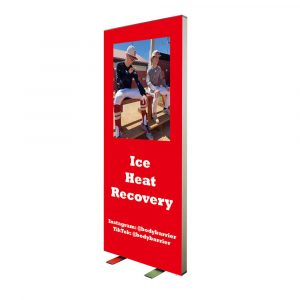
The photograph shows a floor-standing BrandMate Sign Holder format. It is a product example, not evidence of a minimum quantity, price, tooling investment or particular customization capability. Identify the configuration you need before requesting its commercial terms.
Start with the proposed display format, size, material and finish, graphic scope and mounting arrangement. Add electrical parts only where they belong to that product. Identify the drawing or specification revision the offer will use. A quantity and unit price are useful together only when the buyer can tell which complete assembly, graphic or component that line describes.
Split the enquiry into the variants that matter to the order: model, size, finish, artwork or other agreed differences. Give each variant a buyer reference and state its requested quantity. Label the initial order, later optional quantities and planning forecast separately, then ask which quantities the offer assumes. Do not let an estimated program total silently stand in for the proposed first purchase.
Ask for the pricing unit and currency, included graphic and accessory quantities, packing scope and quote validity. If a line covers a kit or a group rather than one complete display, request a clear definition. Keep any optional item identifiable so it can be accepted, excluded or left open without changing the meaning of the main unit price.
Use drawings and a supply list to settle the technical configuration, then keep the MOQ, sample scope and development charges attached to that reference. For a complete delivery and installation comparison, use the separate LED light box landed-cost guide rather than treating this RFQ as a freight or tax calculation.
Request the minimum for the identified configuration and ask which variations can be combined, if any. A written reply should say whether the basis is per model, size, finish, artwork or another grouping. Keep the proposed split next to the reply. A minimum quoted for one configuration does not settle the conditions for a different assembly or a mixed campaign.
| Buyer line or grouping | What the enquiry identifies | Written confirmation to request | Open item to resolve |
|---|---|---|---|
| Display model and size | Assembly reference, revision and requested quantity for that variant. | Applicable minimum, pricing unit and the exact configuration it covers. | Whether another size or assembly must be quoted separately. |
| Finish or material variation | Each required finish/material reference and quantity split. | Whether the minimum applies separately or the proposed variants can be grouped. | Any changed setup, material or supply assumptions. |
| Printed artwork or graphic | Number of designs, prints per design and finishing reference. | Graphic minimum and setup basis, separately from hardware where applicable. | Whether mixed graphics are included in the stated unit price. |
| Repeat or staged purchase | Initial quantity, proposed later quantities and any different shipment groups. | Which order/release quantities the quote assumes and when a new quote is needed. | Whether later variants, quantities or dates change the minimum or price basis. |
If the reply uses a minimum order value, batch multiple, setup charge or other condition, ask for its meaning and where it applies. Keep quantities, monetary amounts and packing units in separate fields with their units. A blank reply is unresolved information; it should not be entered as zero or interpreted as an unlimited mixed-order allowance.
Where the required split does not fit the proposed minimum, ask BrandMate which feasible options can be reviewed. These might involve a different available configuration or a revised order grouping, but availability and terms need confirmation. Compare the revised offer against the same buyer requirements rather than assuming every customization can be accepted at the original basis.
Define the purpose of each requested sample before reviewing its charge. A finish piece, appearance model, working prototype and production-representative assembly can answer different questions. Those labels alone do not establish the construction or approval scope. Ask what the proposed sample contains, how it will be made and which requirements it is intended to demonstrate.
Record the sample quantity, drawing revision, material and finish, actual graphics, supplied accessories and packing where relevant. Identify any production parts or processes that the sample will not represent. A sample made through a different route can still answer an agreed design question, but the buyer needs to know what remains to be demonstrated on the production configuration.
Ask for the proposed deliverables and acceptance method: what the team will receive, what it will inspect, who reviews the result and how corrections are handled. Keep the relevant technical checks with the appropriate product reviewer. A commercial sample line should not turn an appearance approval into approval of structural, electrical or operating performance that was never assessed.
Separate the sample charge from transport, artwork preparation, testing or other quoted work when those items apply. Ask which revisions or repeated samples are included and which would need another quotation. Any credit against a later order must have its own written basis; do not assume a sample is free, refundable or automatically credited because the bulk order may follow.
Ask what the proposed customization changes in the manufacturing or finishing route. An existing configuration, an adjusted design and a newly developed part can involve different work. Have BrandMate identify the feasible offered route and any development, setup or tooling it requires. The photograph and the word custom do not establish that a new physical tool is necessary.
For a one-time line, request the work or item description, related part and revision, deliverable, quantity where applicable and completion evidence. Engineering work, artwork setup, a fixture and a production mold are not interchangeable descriptions. If the quotation groups several activities together, ask which outputs that grouped charge covers rather than guessing from a single heading.
Where a physical tool is proposed, ask how it will be identified and which part or configuration it supports. Clarify what sample or other evidence would demonstrate the agreed output and who reviews it. Keep acceptance of the charged deliverable separate from acceptance of the finished product. A tool photograph by itself does not prove that the supplied production part meets its requirements.
Ask whether the cost is a separate charge, included in another line or conditional on a stated order basis. Record the reply consistently so the same work is not silently counted twice or omitted from the decision. Amounts, currency, approval steps and timing require the actual offer; no standard tooling or engineering fee is established here.
If a proposed charge involves tooling or development assets, ask for the specific agreed ownership, custody and authorized-use terms. Identify which item, drawing, file or other deliverable the reply describes. A payment heading is not a complete description of the proposed rights or practical handover. Resolve these questions in the actual project documents rather than inferring a universal policy from this guide.
For tools retained for later work, ask where they will be kept, who can use them for the agreed program, what maintenance or storage arrangements apply, and how a later design change will be reviewed. If transfer or handover matters to the project, ask which physical items, files or records are included and which practical conditions or separately quoted services apply. Do not assume every development output is a transferable production tool.
For any proposed sample or development credit, request its amount or calculation basis, eligible order/configuration, conditions, validity and the line where it will appear. Distinguish a confirmed credit from a requested concession or unresolved proposal. Reconcile the quote and later commercial documents against the same written terms rather than treating a conversational possibility as an included benefit.
Ask what happens to the identified work or retained items if the design changes, the program pauses or the parties choose a different production scope. Record the actual agreed response and remaining questions. This is a checklist for clarifying an offer, not a statement of automatic ownership, refund, exclusivity or transfer rights.
Keep the first proposed purchase and a later repeat scenario on separate identified bases. Ask which one-time activities are already covered, which recurring costs remain, and what has to be quoted again if quantity, finish, artwork or assembly changes. Reusing a product name or outside dimension does not establish that the earlier price or approval applies.
| Quoted item | Basis and evidence to record | Repeat-order question | What closes the commercial review |
|---|---|---|---|
| Sample or prototype | Identified construction, revision, quantity, deliverables and excluded production checks. | Which new sample work is needed if the configuration changes? | Written sample scope, charge inclusions and any separately agreed credit conditions. |
| Engineering, setup or tooling | Named work/item, associated part, deliverable and acceptance evidence. | What existing work or item can be reused, and which changes require a new quote? | Itemized scope and the applicable reuse, custody or handover terms. |
| Recurring display or graphic price | Configuration, pricing unit, quantity/variant split, included parts and validity. | Does the proposed later quantity and specification fit that basis? | Confirmed matching offer or an explicitly revised repeat-order quotation. |
| Conditional credit or separate service | Stated amount/basis, eligibility, conditions and included or separate status. | Does the repeat scenario actually satisfy the written conditions? | Reconciled commercial documents, with unresolved lines retained as open items. |
Mark every relevant line as included, separately quoted, optional, not applicable or awaiting confirmation, using the offer’s actual wording. Record quote date, validity and the responsible contact for open answers. Where two documents disagree, identify the exact line and ask for a corrected consistent set; do not combine the most favorable fragments into an offer that was never made.
Keep delivery basis, named place and packing scope identifiable, then use the separate delivered-cost review for transport and destination charges. Keep the technical sample and production-reference approvals alongside the commercial record. A corrected price schedule does not by itself close an unresolved sample or configuration issue.
Send BrandMate the required display format, size, application, quantity split, artwork status, destination and approval needs. Add the drawing or available sketch and identify whether the enquiry concerns an existing configuration, a proposed modification or development still needing feasibility review. A short initial enquiry can establish which questions and evidence are needed next.
Request the MOQ basis, sample deliverables and charges, any actual one-time work, recurring price inclusions and applicable repeat-order conditions. Ask for missing fields to remain explicitly pending until the responsible team confirms them. BrandMate’s available configurations, sample scope, tooling arrangements, documentation, commercial terms and timing require a project-specific reply.
Use BrandMate Quality Control to discuss the proposed sample and deliverable evidence, and Warehouse & Logistics for the quoted packing and handover questions. These resources support an enquiry; they do not establish that particular tooling, samples or production batches have passed a test.
Ask for the applicable grouping against the proposed variant and quantity list. Keep the written reply with the offer. No universal combined MOQ or mixed-design allowance is established for BrandMate by this guide.
A charge line alone does not describe the complete proposed arrangement. Ask for the identified item and the specific ownership, authorized-use, custody, maintenance and any handover terms that apply to the project.
Confirm whether any credit is offered and record its amount or calculation, eligible order, conditions and validity. Do not include an unconfirmed credit in the comparison or assume that an earlier offer covers a revised configuration.
Explore the BrandMate Sign Holder family and describe the actual configuration and quotation questions your retail project needs resolved.
Tell BrandMate about the display and where it will be used. Share drawings and detailed specifications during the project discussion.