Address
Caochang Industrial Area, Liguang Rd, Lishui, Nanhai, Foshan, Guangdong, China
Phone:
0086-20-8938 9313
0086-757-8938 9313
Email:
Work Hours
Monday to Friday: 8AM - 10PM
24x7 online service

Address
Caochang Industrial Area, Liguang Rd, Lishui, Nanhai, Foshan, Guangdong, China
Phone:
0086-20-8938 9313
0086-757-8938 9313
Email:
Work Hours
Monday to Friday: 8AM - 10PM
24x7 online service
Custom LED Light Box & SEG Display Manufacturer
 Byadminn
Short answer: neither edge-lit nor backlit is automatically “better.” The right system depends on the display size, required frame depth, viewing distance, illumination target, installation method, maintenance access and shipping constraints. For procurement teams, the safest approach is to specify the project conditions first, then confirm the lighting architecture with the manufacturer.
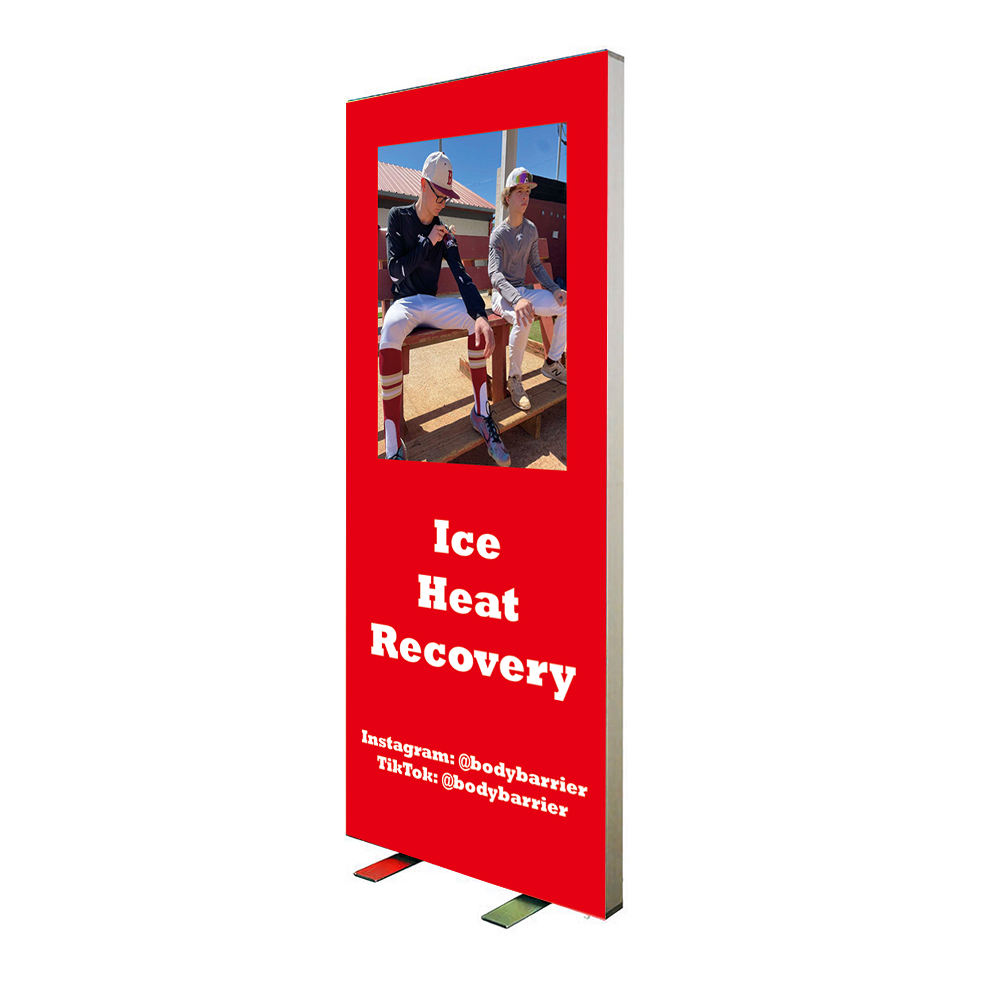
In an edge-lit system, LEDs are positioned along one or more frame edges and light is distributed across the display through a light-guiding structure or optical design. The main attraction is usually a slimmer profile where the product size and illumination requirements allow it.
In a backlit or direct-lit system, LEDs are positioned behind the graphic so light travels forward through the fabric. This architecture is often considered when larger sizes, deeper profiles or demanding illumination uniformity make direct rear lighting more practical.
| Decision factor | Edge-lit | Backlit / direct-lit |
|---|---|---|
| Profile depth | Can support a thinner construction in suitable sizes | Usually requires more depth behind the graphic |
| Large-format suitability | Must be evaluated carefully as size increases | Often easier to engineer for large illuminated areas |
| Uniformity risk | Depends strongly on optical design, LED position and size | Depends on LED spacing, depth and diffuser/graphic system |
| Service access | Confirm how the LED and power components are accessed | Confirm rear/front access and module replacement method |
| Shipping | Thin systems may reduce packed depth | Large units may require sectional or project-specific packing |
A thin light box can look attractive in a specification sheet, but the correct choice depends on the complete system. Oversizing a thin profile, ignoring wall clearance or failing to plan the power driver can create more problems than the saved depth is worth. Buyers should evaluate the frame, lighting, graphic, power and mounting as one assembly.
Send the finished dimensions, quantity, single/double-sided requirement, mounting method, destination country, voltage/plug standard, artwork format and project deadline. If you have a target frame depth or existing store standard, include that as well.
For a product-specific quotation, see our LED SEG Light Box Manufacturer page. For manufacturing evidence, review our Quality Control process.