Address
Caochang Industrial Area, Liguang Rd, Lishui, Nanhai, Foshan, Guangdong, China
Phone:
0086-20-8938 9313
0086-757-8938 9313
Email:
Work Hours
Monday to Friday: 8AM - 10PM
24x7 online service

Address
Caochang Industrial Area, Liguang Rd, Lishui, Nanhai, Foshan, Guangdong, China
Phone:
0086-20-8938 9313
0086-757-8938 9313
Email:
Work Hours
Monday to Friday: 8AM - 10PM
24x7 online service
Custom LED Light Box & SEG Display Manufacturer
This factory tour is intended to show real production evidence, not generic “innovation” claims. The photos below come from BrandMateDisplay workshop areas used for light box and display production.
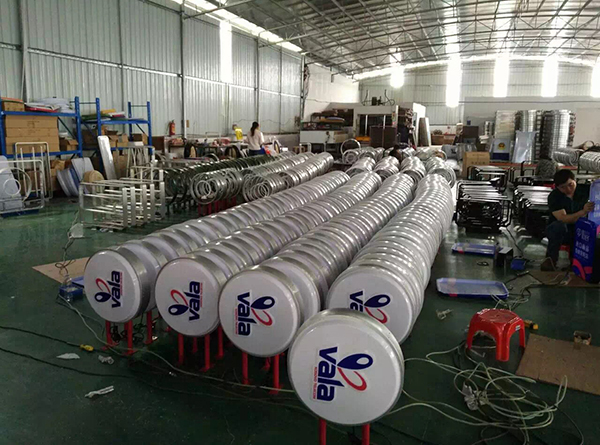


For B2B sourcing, a factory page is useful only when it helps buyers understand where their order is prepared, assembled, checked and packed. The important evidence is the workflow around the product—not decorative photos or generic claims.
Custom light boxes should not move from inquiry to mass production based on a product name alone. Dimensions, profile, viewing sides, mounting, cable exit and other project details should be tied to an approved drawing or specification wherever practical.
For illuminated products, the frame and electrical system need to be considered together. The destination voltage, driver/power supply, wiring route and service access should be confirmed for the quoted configuration rather than treated as universal across the site.
SEG fabric, acrylic faces and other graphic systems each need their own fit check. For SEG products, the visible size, finished fabric size and silicone-edge fit affect the final appearance. For formed or rigid faces, dimensions and surface fit are checked against the product structure.
Inspection should happen before the product reaches the carton. Depending on the product, the team checks dimensions, visible workmanship, assembly, lighting/electrical function, graphic/face fit, accessories and the final appearance.
A permanent wall light box, outdoor projecting sign and reusable trade show system have different packing risks. Packing is selected according to profile length, face vulnerability, electrical parts, accessories and shipment method.
Before confirming a custom display order, ask for the relevant technical drawing, material and electrical specifications, quality checks, packing list, and installation instructions. Availability of individual records should be confirmed for the quoted model and project.
Related: Quality Control · Warehouse & Logistics · LED SEG Light Box
For a useful quotation, share the product, dimensions, intended use, quantity, destination and deadline. If you have a QC checklist, drawing or project photo, include its link in the form.